
Overgrip (also known as racket grip tape) is an essential accessory for badminton, tennis, pickleball, baseball, and other racket sports. Most athletes only know it prevents slipping and absorbs sweat, yet few realize that different categories and materials fit distinct usage scenarios. Choosing the wrong grip will ruin control accuracy and accelerate racket wear, and even lead to bacterial growth. Amid consumption upgrading in 2026, overgrip products have become highly segmented. This article fully covers mainstream types, material features, buying guides, wrapping methods, and maintenance skills to help you pick the ideal grip for your sports demands.
Main Categories of Sports Overgrip
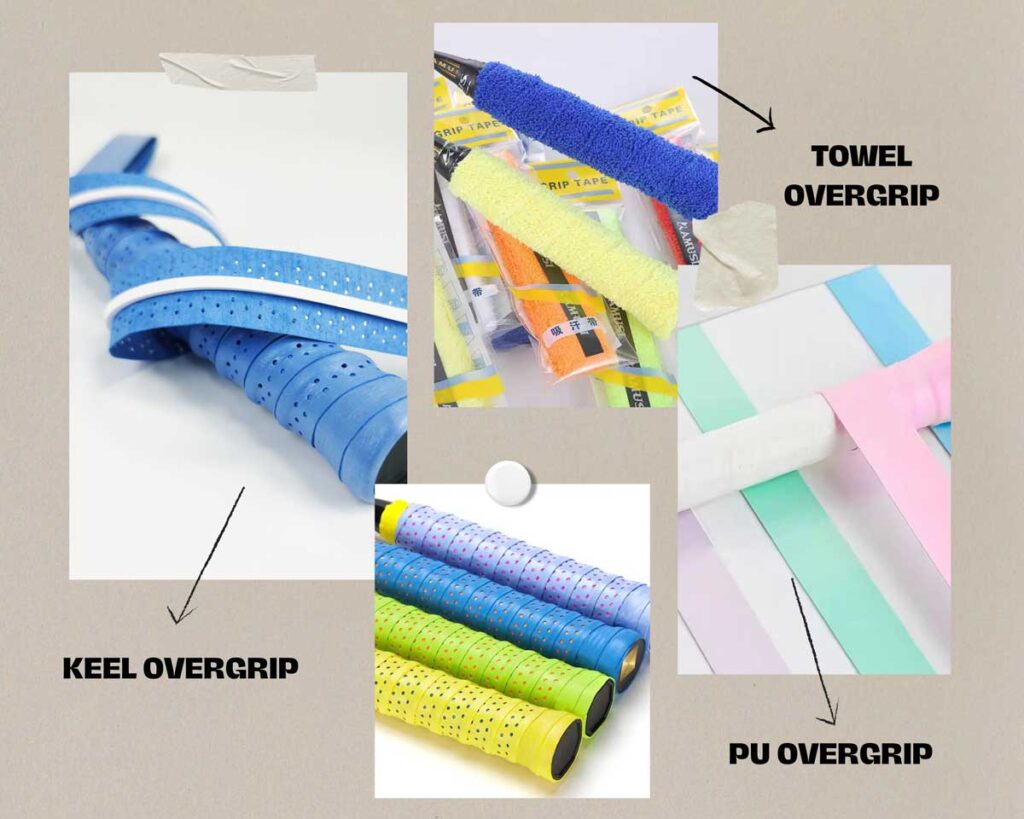
There are three mainstream overgrip types on the market, each designed for unique sports habits and scenarios:
- Flat PU Overgrip: The most widely used basic style, made of thin integrated PU material with even thickness and tight fitting. It does not expand the original handle size, delivering basic anti-slip, sweat-wicking, and anti-abrasion performance. Affordable and universal, it ranks top in sales volume and suits daily casual badminton & tennis players.
- Keel Overgrip is built with raised foam ridges inside to deliver soft cushioning and strong shock absorption, which relieves hand fatigue during long training sessions. Perfect for beginners and athletes with small palms who prefer thicker handles. Its downside is reduced finger flexibility and precise control, making it unsuitable for competitive badminton or table tennis that demand delicate hand feel; long-term use may form bad hitting habits.
- Towel Overgrip: Constructed with pure cotton towel fabric featuring powerful sweat absorption, ideal for athletes with heavy sweat and long high-intensity training without easy slipping. Drawbacks include dirt retention, mold growth, short service life, and poor waterproof performance, requiring frequent replacement and cleaning in humid environments.
Core Material Differences That Determine Grip Quality
Material directly determines overgrip performance and service life. Traditional ordinary PU grips are cost-effective but slip easily when wet and tend to crack and powder after long-term use. Premium modern overgrips adopt microporous, breathable & antibacterial eco-materials. Optimized craftsmanship eliminates the pain points of old PU, maintaining stable friction during heavy sweat and fully complying with global sporting goods safety standards.
3 Core Rules For Choosing Suitable Overgrip
Combining official consumer reminders and professional sports experience, we summarized three practical buying standards:
- Choose certified formal products. Prioritize grips with complete packaging, clear material labels, production standards, and factory information; avoid unbranded no-name goods to prevent harmful low-grade chemical materials.
- Select by your sports scenario. Thin flat PU grips for daily tennis & badminton training; towel grips for heavy sweaters; temporary keel grips for new players with small hands.
- Test hand feels before purchase. Stay away from low-quality grips with pungent odor and rough surface texture. Premium overgrips feature dry soft touch, great toughness, and resistance to stretching deformation.
Standard Wrapping & Maintenance To Extend Grip Lifespan
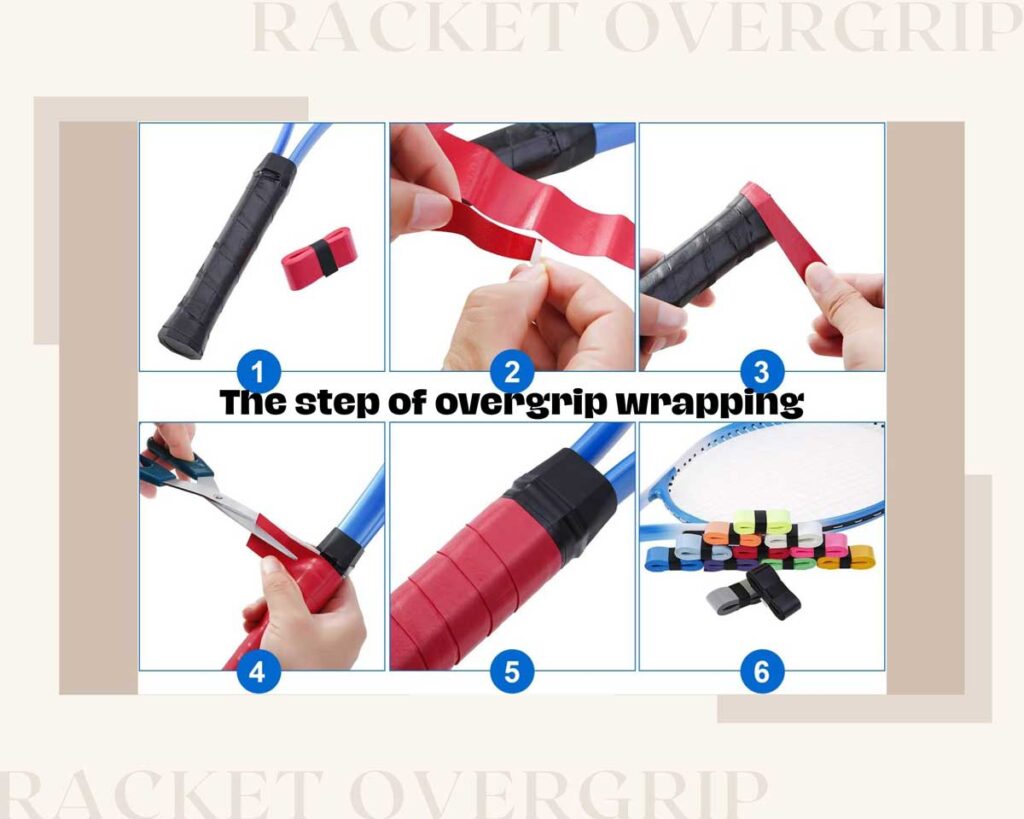
Correct wrapping and maintenance greatly improve grip experience and service life. When winding, keep steady tension with a 1–2 mm overlapping width, and fasten the end sealing tape tightly to stop peeling or cracking.
For daily maintenance: Replace grips every 7–10 days for regular training users; shorten the cycle to 5–7 days for heavy sweaters. Clean gently with neutral detergent and air dry naturally. Lightly dust with talcum powder after drying to slow aging and stickiness issues, extending service life by roughly 30%.
With upgrading sports consumption, overgrips are no longer disposable consumables but professional accessories that affect hitting feel, power transfer, and holding safety. The functional, refined upgrade of 2026 overgrips offers customized options for all sports and crowds. Sports enthusiasts do not need to blindly buy expensive high-end models; scientific selection and proper maintenance based on your sports type, sweat level, and holding habits will maximize anti-slip, shock-absorbing, and racket-protecting performance, and greatly boost your overall sports experience.